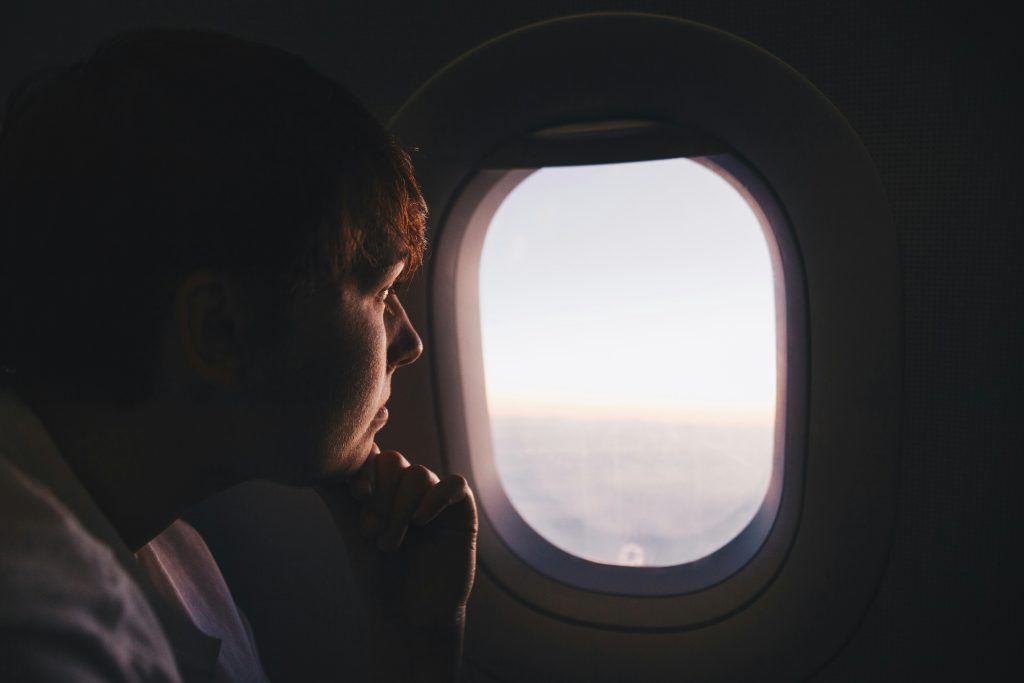
We’ve all been there: staring at the seat map twenty-four hours before a flight, playing a high-stakes game of Tetris. You see a window seat in row 12 and an aisle seat in row 15. Your finger hovers. Which one will make the next eight hours suck less?
Choosing a seat isn’t just about personal preference; it’s about survival. Whether you’re a “sleep-the-whole-way” person or a “needs-to-move-every-hour” person, your choice determines your physical state upon landing. Let’s get into the nitty-gritty of cabin real estate.
The Window Seat: The Dreamer’s Fortress
The window seat is the gold standard for anyone who views a flight as a chance to unplug. It’s the only place on the plane where you actually own a piece of “wall.”
- The Sleep Advantage: This is the only seat where you can lean your head against the fuselage. Pro tip: Bring a soft hoodie or a dedicated travel pillow to pad that gap. It makes a world of difference for your neck alignment.
- The “Peace” Factor: In the window seat, you are the king of your castle. No one will ever ask you to move so they can go to the bathroom. You control the light levels (unless it’s an overnight flight and the crew asks you to close it), and you have a clear view of the world passing by—which, let’s be honest, never gets old.
- The Downside (The “Bladder Jail”): The window seat is a prison for your bladder. If you are someone who drinks a lot of water (which you should), you’ll eventually have to perform the “awkward climb” over two sleeping strangers.
The Aisle Seat: The Freedom Fighter’s Choice
If the window is a fortress, the aisle is a gateway. It’s for the person who likes to be in control of their environment and their movement.
- Unlimited Legroom (Sort of): The aisle seat allows you to stretch one leg out into the aisle—at least until the drink cart comes screaming through. It’s a game-changer for tall travelers who feel cramped in the standard economy pitch.
- The “Exit Strategy”: You’re the first one to get to the overhead bin and the first one out of your row. It sounds minor, but when you’ve been on a plane for 12 hours, those extra five minutes of freedom feel like a lifetime.
- The Health Angle: This is the big one. If you’re prone to stiffness or worried about circulation, the aisle seat is objectively better. You can stand up, stretch, and walk to the galley every hour without feeling like a nuisance.
- The Hidden Danger: The “Aisle Shoulder.” You will get bumped by every passenger going to the bathroom and every flight attendant with a trolley. If you’re a light sleeper, this seat is a nightmare.
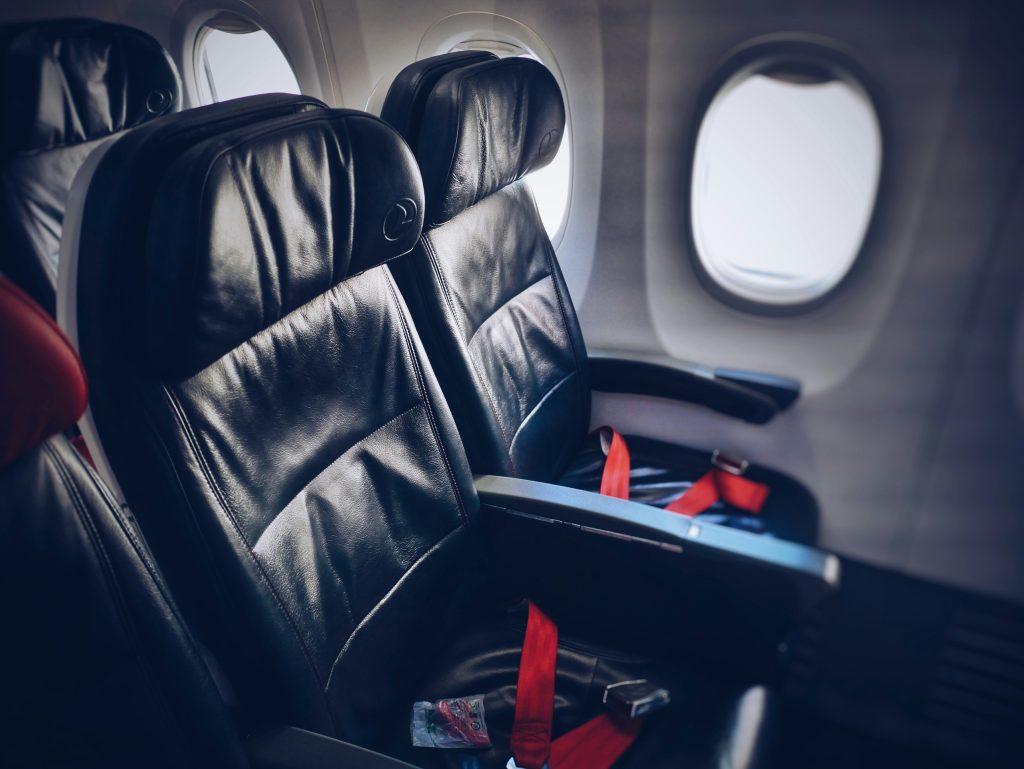
The Hidden Factors: Temperature and Hygiene
Here is what the airlines don’t tell you: the window seat is almost always colder. You are leaning against the exterior skin of the aircraft, which is flying through -50°C air. If you choose the window, dress in layers.
From a hygiene perspective, the window seat is actually “dirtier.” Studies on cabin airflow show that germs tend to linger near the walls. However, the aisle seat exposes you to more “surface touch” as people walk by and grab the headrests for balance. The takeaway? Sanitize your armrests no matter where you sit.
The Verdict: Which one should you pick?
At Decoding Air Travel, we break it down by flight duration:
- Short Haul (Under 3 hours): Take the Window. Enjoy the view, lean your head back, and just relax. You won’t need the bathroom that badly.
- Long Haul (6+ hours): Take the Aisle. Your body needs the movement. Being able to stand up whenever you want reduces stress and keeps your blood flowing.
- The “Night Flight”: Take the Window. Sleep is the priority. Block yourself in, put on your noise-canceling headphones, and wake up at your destination.
One final piece of advice: Use a site like SeatGuru or Aerolopa before you pick. Some “window” seats actually align with a blank wall (no window), and some aisle seats have a massive entertainment box under the seat in front of you, stealing your legroom.