For years, I was a loyal follower of the “German efficiency” myth. I believed that if I booked a flight with Lufthansa, I was paying for a premium, clockwork experience where everything just worked. But after my last three trips across Europe and over to Asia, I’ve had a change of heart. I’ve officially swapped my pretzels for baklava.
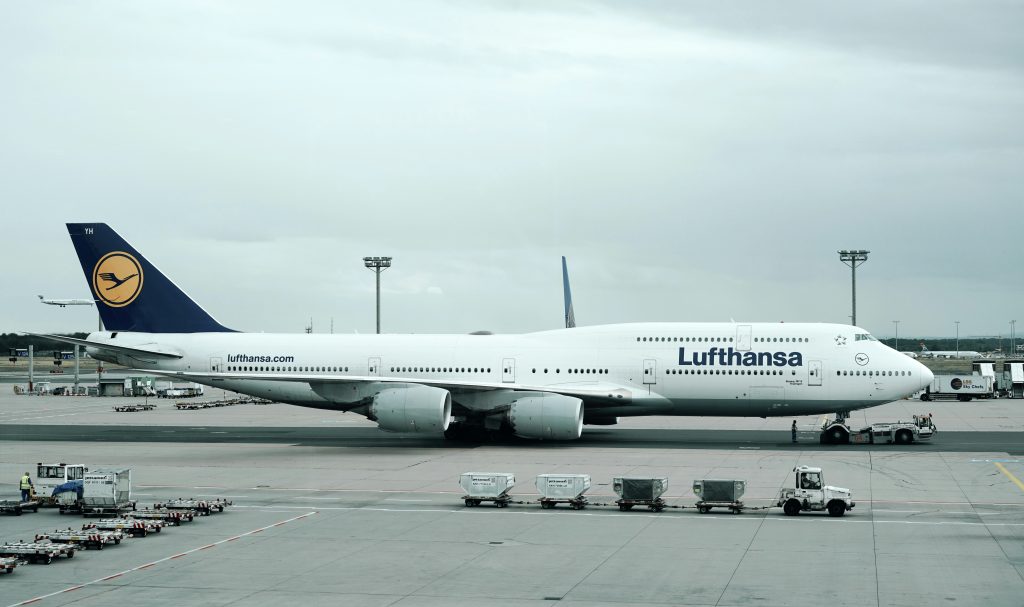
If you’re choosing between these two giants for your next trip, let me tell you why the Turkish flag carrier is currently eating the German crane’s lunch—and why “German Engineering” in the sky isn’t what it used to be.
The Catering War: A Hot Meal vs. A Sad Cookie
Let’s start with the most obvious difference: the food. In Economy class, Lufthansa has slowly stripped away everything that made flying feel like a treat. On a 3-hour flight with Lufthansa lately, I was lucky to get a tiny bottle of water and a small chocolate. If I wanted a sandwich? That’ll be 10 Euros, please.
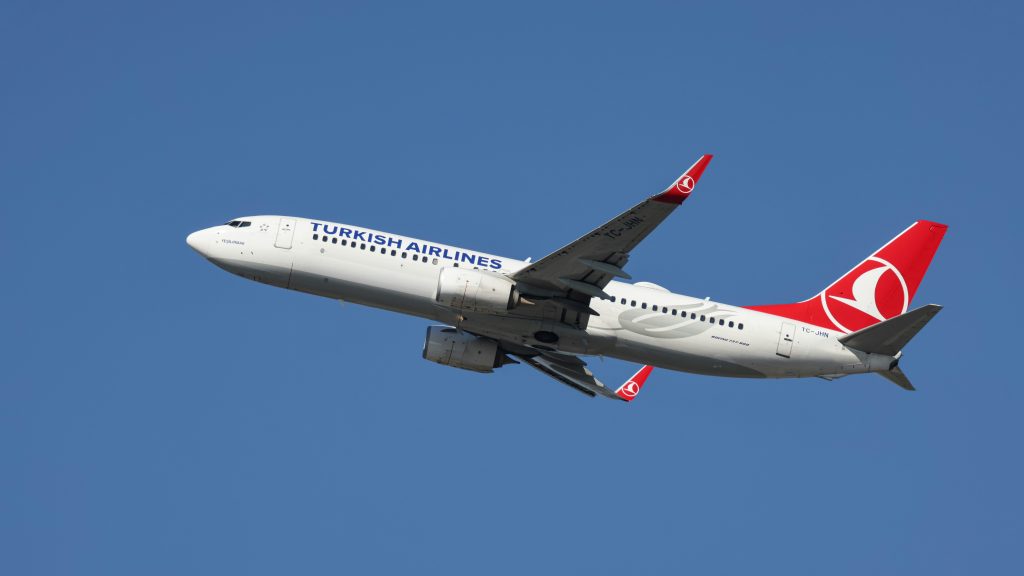
Now, look at Turkish Airlines. Even on short hops from London to Istanbul, you get a full, hot meal. I’m talking about grilled kofta, fresh salad, and warm bread. It’s not just “good for airplane food”—it’s actually good food. When you’re stuck in a metal tube for hours, that hot meal makes a massive psychological difference. Turkish treats you like a guest; Lufthansa treats you like a seat number.
The “Hard Product” Reality Check
Lufthansa’s older fleet, especially the A321s used across Europe, feels tired. The seats are thin—what we call “ironing board” seats in the industry. They don’t recline much, and the padding is non-existent.
In contrast, almost every Turkish Airlines flight I’ve taken recently felt fresher. Even their narrow-body planes often feature seat-back entertainment screens with a huge selection of movies. On Lufthansa? You’re lucky if there’s a shared overhead screen showing a silent gag reel from 1998. If you want to watch a movie on a 4-hour flight, you better have your iPad charged, because Lufthansa isn’t going to help you.
The Istanbul Hub vs. The Frankfurt Maze
If you have a connection, you’re either going through Istanbul (IST) or Frankfurt/Munich.
- Frankfurt is efficient, but it’s gray, utilitarian, and involves a lot of walking through endless concrete tunnels. It feels like a very clean hospital.
- Istanbul’s new airport is a palace. Yes, it’s massive (bring your walking shoes!), but the architecture, the massive duty-free sections, and the general vibe feel like you’ve arrived in the future. Plus, if you have a long layover, Turkish Airlines often provides a free hotel or a free city tour (Touristanbul). Lufthansa? They might give you a voucher for a coffee if you’re lucky.
Where Lufthansa Still Wins (Barely)
I’ll be fair: Lufthansa’s ground staff and pilots are world-class. When there is a strike or a massive weather delay, Lufthansa’s app and rebooking system are generally more robust than Turkish’s, which can sometimes be a nightmare to deal with if you need to talk to a human on the phone.
But is that “just in case” safety net worth the extra $200 and the lack of a meal? For me, the answer is no.
The Final Verdict
Lufthansa is coasting on a reputation they built twenty years ago. They are moving closer and closer to a “budget airline” model while keeping “premium airline” prices. Turkish Airlines, on the other hand, is hungry. They want to be the best in the world, and you can feel that energy in the service, the food, and the planes.
Next time you’re booking, don’t just reflexively go for the German name. Give the Turkish hospitality a try. Your wallet—and your stomach—will thank you.