Having TSA PreCheck or Global Entry won’t save you from the dreaded SSSS on your boarding pass. That single, unassuming code on your ticket is a direct override of all your trusted traveler benefits, instantly flagging you for a deep dive into airport security procedures that most travelers never experience. It’s the most counterintuitive reality of air travel security, and it means the moment you spot it, your carefully planned journey takes an abrupt detour into the world of enhanced screening. Understanding what happens next, what it truly entails, and how to mitigate the disruption is crucial for anyone who flies, because SSSS isn’t just an inconvenience; it’s a completely different security experience that can easily derail your travel plans. This isn’t the standard pat-down or the quick walk through the scanner; this is Secondary Security Screening Selection, and decoding the SSSS boarding pass code: what happens next, is a story with details most guides skip.
That Single Mark: Your Online Check-in Is Dead
The first, most immediate sign that you’ve been selected for Secondary Security Screening Selection is often the inability to complete online check-in. You’ll try to pull up your boarding pass on the Delta app, United’s website, or even Southwest’s streamlined portal, and you’ll hit a wall. The system simply won’t let you proceed. Instead, you’ll be directed to see an airline agent at the airport. That’s your first, unmistakable red flag – literally. The system knows you’re SSSS before you do, and it’s built to ensure you can’t bypass the initial human interaction required for this enhanced scrutiny.
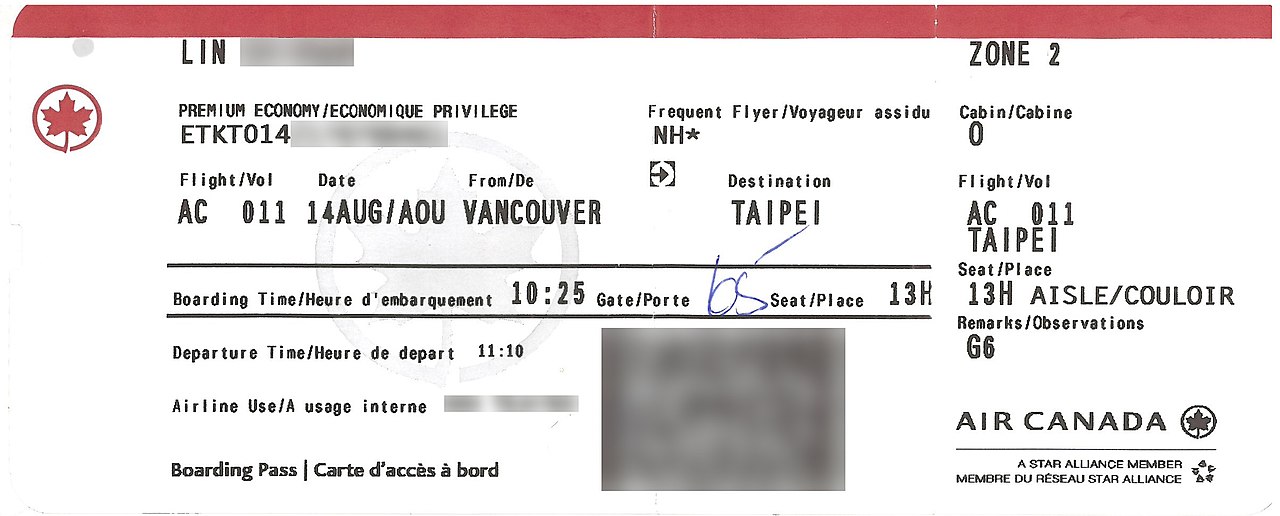
So, you arrive at the airport, confident you’ve got plenty of time, only to realize you’re starting from scratch at the check-in counter. This isn’t just about getting a physical piece of paper; it’s about initiating a process that immediately puts you on a different path from the vast majority of travelers. The agent won’t tell you you’ve been “flagged” in so many words, but the physical boarding pass they hand you will unmistakably bear the “SSSS” mark, often printed prominently in the corner or near your flight details. This isn’t some obscure code; it’s a directive for every TSA officer you’ll encounter. It signifies that your journey through security is about to become significantly more involved, regardless of your elite status or pre-cleared programs.
The Gate Agent’s Protocol: Where PreCheck Ends
Once you have that boarding pass in hand, the next phase begins. You’ll head toward security, maybe even aiming for the TSA PreCheck line out of habit. Don’t bother. The SSSS designation overrides any benefits you hold with TSA PreCheck or Global Entry. It’s a complete suspension of those expedited privileges. Even if you’ve paid the $85 for PreCheck for five years, or the $100 for Global Entry, that SSSS mark means you’re going through the standard security line, and then some. This isn’t the fast lane; it’s the slower, more thorough lane reserved for an additional layer of inspection.
When you present your SSSS-marked boarding pass at the ID check podium, the TSA officer will immediately recognize the code. There’s no negotiation, no explanation needed from your end. They’ll calmly, but firmly, direct you to a designated area for secondary screening. This isn’t a random selection at the X-ray machine; it’s a pre-meditated process that begins the moment your ticket is scanned. You’ll often be escorted to a separate line or a dedicated screening station, away from the general flow, where a team of officers will be waiting. It’s here that the true depth of SSSS begins to unfold, setting the stage for what can feel like an interrogation of your personal belongings and even your person.
SSSS instantly overrides TSA PreCheck and Global Entry benefits.
You cannot check in online or via mobile apps if you have an SSSS designation.
The enhanced screening can add 15 minutes to over an hour to your security time.
Persistent SSSS flagging can be addressed by applying for a Redress Control Number through DHS TRIP.
The Enhanced Screening: Beyond the X-Ray Machine
This is where the rubber meets the road. The “enhanced screening” isn’t just a fancy term; it’s a series of physical, intrusive procedures designed to leave no stone unturned. First up, your carry-on luggage. Every single item will come out. Expect a detailed, manual inspection by a TSA officer, who will methodically go through pockets, compartments, and even individual items within your bag. Those neatly folded shirts? They’ll be unfolded. Your carefully organized toiletries? Expect them to be examined. Every electronic device, from your laptop to a tablet, will likely need to be removed and powered on. They’re not just looking for obvious threats; they’re looking for anything suspicious, anything that doesn’t quite add up.
But it doesn’t stop with your bags. You’ll undergo a full-body scan, just like everyone else. However, if any alarms sound—or even if they don’t, simply because of the SSSS designation—you’ll receive a physical pat-down. This isn’t a quick once-over; it’s a comprehensive pat-down, often covering sensitive areas and designed to detect anything hidden on your person. The officers are highly trained to ensure thoroughness, and while respectful, it’s undeniably intrusive. You might also be asked to remove your shoes for a more detailed inspection than a typical PreCheck experience, and even your belt or jacket could get extra scrutiny.
Then comes the swabbing. Officers will use small cotton swabs to collect samples from your hands, your clothing, and various surfaces of your carry-on luggage—your laptop, phone, backpack straps. These swabs are then placed into a machine that tests for explosive residue. This is a critical part of the enhanced screening, a chemical analysis designed to detect microscopic traces of illicit substances. It’s a procedure that adds several minutes to the process, and it’s a clear indication that your screening is operating at a much higher threat assessment level than that of your fellow passengers. Think your trusted ID and PreCheck status will sail you through? Think again. This process is designed to be exhaustive, leaving no room for assumptions.
Forty Minutes and Counting: The Real Time Commitment
The most significant, and often most stressful, consequence of an SSSS flag is the time it consumes. While the official estimate often suggests an additional 15 to 45 minutes, it’s not uncommon for this process to stretch beyond an hour, especially during peak travel times or at particularly busy international airports like LAX, JFK, or London Heathrow (for outbound flights from the US). The exact duration depends on several factors: the number of officers available, the thoroughness of their inspection, how many other passengers are undergoing secondary screening, and even the complexity of your carry-on contents. A traveler with a single backpack will generally get through faster than someone with multiple, densely packed bags.
If you suspect or confirm an SSSS designation, plan to arrive at the airport significantly earlier than usual. For domestic flights, aim for 3 hours prior to departure; for international, target 4 hours. This buffer is critical to accommodate the extra security time and avoid the stress of a potential missed flight.
And here’s the brutal truth: airlines are under no obligation to hold flights for passengers delayed by SSSS screening. If you miss your flight because of the enhanced security, that’s your problem, not Delta’s, United’s, or Southwest’s. You’ll be subject to the airline’s standard missed flight policies, which can range from a hefty rebooking fee—sometimes $75 or more for a same-day change on a non-refundable domestic ticket with a legacy carrier—to needing to purchase an entirely new ticket. Southwest, known for its flexibility, might allow you to apply the value of your ticket to a future flight, but you’ll still pay any fare difference. For international flights, the stakes are even higher, potentially costing you hundreds or thousands of dollars for a new booking. The financial and logistical fallout of missing a flight due to SSSS can be far more disruptive than the screening itself.
The Unseen Algorithms: Last-Minute Tickets and Watchlist Woes
So, why you? Why did you get that SSSS mark when the person next to you sailed through? The reasons are varied and often opaque, a combination of random chance and specific travel patterns that raise flags in the vast, complex algorithms of the Department of Homeland Security. One common trigger is certain travel behaviors: booking a last-minute, one-way international ticket, especially to or from certain regions, is a frequent culprit. Imagine buying a flight from Miami to Bogotá on a Friday for a Saturday departure; that screams “non-standard” to the system. Likewise, purchasing a ticket with cash, or making changes to an existing reservation close to departure, can attract unwanted attention.
Another significant, though less common, reason is a name similarity to individuals on government watch lists. This is particularly frustrating, as it’s entirely out of your control. If your name is John Smith, and there’s a John Smith on a watch list, you might find yourself repeatedly flagged. The system is designed to err on the side of caution, which means innocent travelers sometimes get caught in the dragnet. Flying through or originating from certain “high-risk” countries can also increase your chances. While the TSA and DHS never publicly disclose the full list of triggers—for obvious security reasons—these patterns are widely acknowledged by frequent travelers and security experts as common denominators for SSSS selection. It’s a reminder that sometimes, it’s not what you do, but how your travel patterns appear to an unseen algorithm, that lands you in the hot seat.
Airlines are not obligated to hold flights for SSSS-related delays. Missing your flight due to prolonged security screening is treated as your responsibility, potentially incurring significant rebooking fees or requiring the purchase of a new ticket.
DHS TRIP: Removing a Stubborn SSSS from Your Record
If you find yourself consistently flagged for SSSS, flight after flight, year after year, there’s a formal mechanism to address it: the Department of Homeland Security’s Traveler Redress Inquiry Program, or DHS TRIP. This program is designed for individuals who believe they have been wrongly delayed or denied boarding due to watch list misidentification, or who are consistently subjected to secondary security screening. It’s your official pathway to seeking a Redress Control Number, which can help differentiate you from individuals on watch lists with similar names.
Applying for a Redress Control Number isn’t a quick fix, but it’s the most effective long-term solution. You’ll need to visit the DHS TRIP website and submit a detailed application, providing personal information, copies of travel documents, and a thorough explanation of your travel issues. The process involves an investigation by DHS to review your case and ensure your identity isn’t being mistaken for someone else. Once issued, you can include your Redress Control Number in your airline reservations. This unique identifier tells the airline and the security systems that you’ve been vetted and cleared, theoretically reducing the chances of future SSSS flags. It doesn’t guarantee you’ll never be selected again—random selection is still a possibility—but it significantly improves your odds and provides a formal record that you’ve proactively addressed persistent screening issues. It’s a bureaucratic process, yes, but for many, it’s the only way to reclaim predictable, stress-free travel.
Bottom Line
Spotting SSSS on your boarding pass means your flight experience is immediately changing. Forget your PreCheck, forget online check-in, and absolutely forget cutting it close; you’re now on a mandatory, enhanced security journey that adds at least 40 minutes, often more, to your airport time. This isn’t just about inconvenience; it’s about potentially missing your flight and dealing with the financial fallout. If this happens to you regularly, tackling the DHS TRIP application is your best shot at making these frustrating encounters a thing of the past.