How do I avoid those infuriating baggage fees that make budget travel feel like a distant dream? You can often bypass them by cleverly using a simple pillowcase – a trick that’s saved savvy travelers hundreds, sometimes even thousands, collectively. This isn’t just about stuffing an extra pair of socks; it’s a strategic maneuver, refined by frequent flyers, that leverages traditional airline policies to your advantage. But like any good secret, the rules are changing, and success hinges on knowing exactly how to play the game.
For decades, airlines haven’t typically counted a pillow as either a personal item or a carry-on. That exemption created a loophole: what if that pillow wasn’t just filled with feathers, but with your meticulously folded clothes? The pillowcase trick isn’t new, but it’s gone viral, making airlines increasingly vigilant. So, if you’re looking to save that extra $35-$100 fee on your next flight, you need the genuinely useful, distilled intelligence – not just the TikTok hype. Let’s cut through the noise and equip you with the precise tactics that work now, and the pitfalls that can cost you dearly.
The $81.20 TikTok Savings You Can Replicate (and the Catch)
Picture this: you’re at the gate, your carry-on is packed to the brim, and you’ve got an extra sweater, a pair of jeans, and that souvenir t-shirt you just bought. Instead of facing a $80 fee for an additional bag or an overweight carry-on, you simply slip those items into a pillowcase, toss it over your shoulder, and walk onto the plane. One TikTok user famously demonstrated saving approximately €80 or $81.20 by employing this exact method. That’s real money back in your pocket, not spent on an airline’s arbitrary size or weight limits.
This trick hinges on a simple truth: many airlines have historically treated a pillow as an essential comfort item, not subject to baggage rules. You’re allowed your personal item, your carry-on, and often, a pillow too. For a long time, this was an unwritten agreement, a silent nod to passenger comfort. And for a full-service carrier like Delta or United, where you might already be allotted a carry-on and personal item, adding a “pillow” often sailed right through.
But here’s the catch: the viral nature of this hack means airlines are increasingly aware. You can’t just expect it to work without thought anymore. Some carriers are beginning to classify pillows as a personal item, especially when they appear suspiciously lumpy. What once was a universal unspoken rule is now subject to the gate agent’s discretion and your airline’s evolving policy. If your “pillow” looks less like a sleep aid and more like a stuffed animal convention, you’re inviting scrutiny.
TSA’s Green Light vs. Gate Agent’s Glare: What to Pack and What Not To
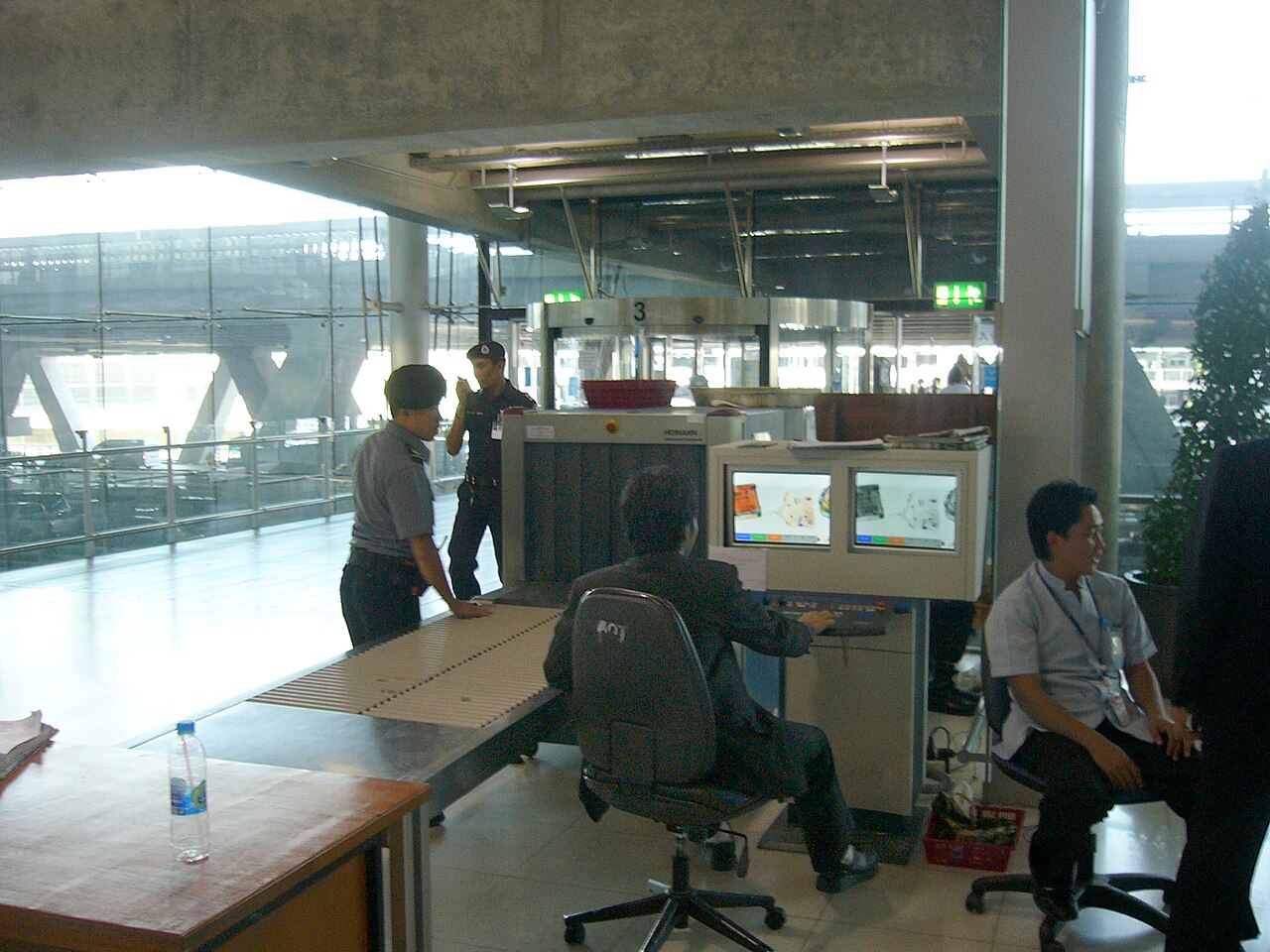
Let’s clear one thing up immediately: TSA generally permits clothes inside a pillowcase through security checkpoints. As long as the items aren’t prohibited—think no sharp objects, liquids over 3.4 ounces, or hazardous materials—you’ll sail through security without a second glance. The TSA’s primary concern is safety and security, not your airline’s baggage fees. Your “pillow” will go through the X-ray machine just like any other bag, and the contents will be visible. So, you’re golden on that front.
The real challenge, and where most travelers fail, is the gate agent. They’re the last line of defense for the airline’s revenue, and they’ve seen every trick in the book – especially now. Your goal isn’t just to pass security; it’s to appear utterly innocuous. You need to present a ‘pillow’ that genuinely looks like a travel comfort item, not an overflow bag.
For optimal discretion, pack soft, pliable items. Think t-shirts, socks, underwear, leggings, swimsuits, or light sweaters. These items compress well and mold to the pillow’s shape, helping it maintain a natural, soft appearance. Crucially, avoid bulky items like shoes, rigid electronics, or heavy books. These create undeniable lumps and hard spots that scream “this is not a pillow.” Remember, the gate agent isn’t going to pat down your pillow unless something looks off. Don’t give them a reason.
Spirit, Ryanair, and Frontier: Where Your Pillow *Will* Count as a Carry-On
If you’re flying a budget airline, the game changes significantly. Carriers like Spirit Airlines, Ryanair, and Frontier Airlines are notoriously strict when it comes to baggage, because that’s a huge part of their business model. For these airlines, every cubic inch of space and every extra item represents potential revenue. They are particularly vigilant about the pillowcase trick.
Many budget airlines now explicitly state that a pillow, if it’s not genuinely a small neck pillow, counts as a personal item or even a carry-on. For example, Spirit’s personal item dimensions are typically 18 x 14 x 8 inches. If your stuffed pillow exceeds those dimensions or appears too large or rigid, you can almost guarantee you’ll be charged. Ryanair, infamous for its strict enforcement, often requires even small bags to fit a specific under-seat dimension, and a suspiciously full pillow could easily be flagged.
The risk here isn’t just embarrassment; it’s a hefty gate-check fee, which can easily be $60-$100 on these carriers, significantly more than what you’d pay if you’d simply checked a bag online. Don’t assume the same leniency you might experience with a major carrier will apply. With these airlines, the most reliable strategy is often to just pay for the bag you need or meticulously stick to their stated dimensions. Is saving $40 worth a potential $100 fine at the gate? Probably not.
• A TikTok user reported saving $81.20 using the trick.
• TSA allows clothes in pillows; gate agents are the real hurdle.
• Budget airlines (Spirit, Ryanair, Frontier) often count pillows as a personal item, risking $75+ gate fees.
• Use an opaque, zippered pillowcase for best results.
The “Lump Test”: Why an Opaque, Zippered Case Beats a White Pillow
Discretion is your best friend when attempting the pillowcase trick. This isn’t about being sneaky; it’s about blending in. The most critical element for success, beyond *what* you pack, is the pillowcase itself. Forget that standard, flimsy white cotton pillowcase from your bed. That’s a rookie mistake. It’s often semi-transparent, and any lumps or colors of your clothing will be immediately obvious. You’re practically inviting the gate agent to inspect it.
The ideal choice? An opaque, zippered travel pillowcase. Opaque means no one can see the vibrant pattern of your Hawaiian shirt peeking through. Zippered means your items are secure and won’t spill out, and it gives the case a more structured, legitimate “travel accessory” look, rather than a makeshift bag. A dark color—charcoal, navy, black—adds another layer of camouflage. When you walk through the airport, you want it to look like a perfectly normal travel pillow, nothing more. Hold it naturally, don’t clutch it like a prized possession.
Perform the “lump test” before you even leave for the airport. Stuff your pillowcase, zip it up, and then feel it. Does it feel soft and squishy, like a normal pillow? Or does it feel like a bag of rocks, with distinct edges and hard points? If you can easily identify individual items inside by touch or sight, you’ve overdone it. Remove an item or two, or rearrange the contents. The goal is a uniform, soft consistency. Think of it as a very soft, amorphous blob, not a tightly packed suitcase. This attention to detail can be the difference between strolling onto your flight and getting a stern talking-to—and a fee—at the gate.
Before Boarding: The Final Pre-Flight Check That Saves Your Wallet $75
The moment of truth often happens right before you step onto the jet bridge. This isn’t the time for surprises. Your final pre-flight check for your “pillow” is crucial. Before you even get to the gate, give your pillowcase one last look and feel. Does it still meet the “lump test”? Does it look natural? Can you easily carry it and place it on your lap or in a seat pocket without drawing undue attention?
And here’s a rarely discussed, but vital, piece of advice: have a contingency plan. What if you get caught? What’s your immediate response? For instance, if you’re wearing multiple layers, can you quickly put on that extra sweater from your pillowcase? Can you stuff a few key items into your actual personal bag if it has a little extra room? Or, worst-case scenario, are you prepared to pay the fee without argument? Arguing with a gate agent rarely ends in your favor and only delays the boarding process for everyone.
Sometimes, the risk isn’t worth it. If you’re teetering on the edge of “too full” with your pillow, consider quickly transferring an item or two to your pockets or even wearing them. A pair of pants and a few shirts can easily be draped over your arm or worn. A gate agent is much less likely to question items you’re wearing than items in a suspicious “pillow.” Remember, a gate-check fee for an item that should have been a carry-on or personal item can easily be $75 or more. That’s a high price to pay for a few extra ounces of clothes. Assess the situation, know your airline, and make a smart, quick decision when it counts.
Bottom Line
The pillowcase trick can be a genuine money-saver, but it’s not a foolproof guarantee anymore. Your success hinges entirely on discretion, knowing your airline’s specific policies, and making your “pillow” look utterly natural. Opt for an opaque, zippered case, pack only soft items, and always perform a ‘lump test’ before you leave home. If you’re flying a budget airline, be extra cautious – their vigilance often outweighs the potential savings. Ultimately, treat it like a well-kept secret: execute it flawlessly, or be ready to pay the piper.