You can claim up to €600 for an EU flight delay that happened *six years ago*. That’s right, while most travelers might shrug off a frustrating tarmac wait as an unavoidable part of flying, a little-known European regulation could entitle you to a substantial payout, even for flights long past. This isn’t just about what you’re owed today; it’s a step-by-step guide to claiming 600 for eu flight delays that you thought were lost to history, revealing the details most other guides conveniently skip. Forget the vague promises and prepare for the real story — the one you’ll want to share with everyone in your travel group chat.
The 6-Year Window to Claim Your €600 Payout
The single most surprising fact about EU flight delay compensation is its longevity. Unlike many consumer protections that expire quickly, European Union Regulation EC 261/2004 — mercifully shortened to EU261 — allows passengers to claim compensation for flight disruptions that occurred up to six years ago in some EU member states. Six years! Imagine discovering you’re owed hundreds of euros for a frustrating delay from a trip you took half a decade ago. It’s not a myth; it’s a right.
This retroactivity isn’t universal across all EU countries, however. While countries like the UK (yes, it still largely follows EU261 principles post-Brexit) and Ireland allow six years, others like Germany offer three years, and France a more restrictive five. But the key takeaway is this: don’t dismiss an old delay without checking. You could be sitting on unclaimed cash from that disastrous trip to Barcelona in 2019, or that delayed connection through Frankfurt in 2022. The maximum compensation you can claim under EU261 is €600, a figure that’s tied directly to the flight’s distance and the total delay at your final destination. For example, a flight over 3,500 km delayed by four hours or more qualifies for the full €600. Shorter flights, or shorter delays, will fall into the €250 or €400 tiers. It’s a system designed to genuinely compensate you for lost time and inconvenience, not just a token gesture.
EU261 Eligibility: Your Flight’s 3-Hour Delay Threshold
So, which flights actually qualify for this generous compensation? It’s simpler than you might think, but there are crucial nuances that determine your eligibility. First, the core rule: your flight must arrive at its final destination three hours or more after its scheduled time. Not when the plane pushes back, not when it takes off, but when the wheels touch down at your *final destination* and the doors open. If your flight from Dublin to Rome, for instance, was supposed to land at 10:00 AM but didn’t arrive until 1:05 PM, you’re past the three-hour mark and potentially eligible.
Next, the geographical scope. EU261 covers:
- Flights departing from an EU country, regardless of the airline (e.g., a Delta flight from Paris to New York).
- Flights arriving in an EU country on an EU-based airline (e.g., a Lufthansa flight from New York to Frankfurt).
- Flights entirely within the EU (e.g., a Ryanair flight from Rome to Berlin).
This means if you flew British Airways from London to Toronto and were delayed, you’re likely covered because London is in the EU (for EU261 purposes, as the UK transposed the regulation). But if you flew Air Canada from Toronto to London and were delayed, you’re not, because Air Canada isn’t an EU-based airline. And the most critical piece of the puzzle: the delay must be the airline’s fault. Technical issues, crew shortages, operational problems — these are typically considered the airline’s responsibility. What about “extraordinary circumstances”? That’s where airlines often try to wiggle out. We’ll get to that.
Don’t just rely on the pilot’s announcement. Use flight tracking apps like FlightAware or FlightStats to get the precise “doors open” time at your final destination. Screenshot these for your records. It’s the most accurate evidence you’ll have for measuring the delay against the scheduled arrival.
Beyond Compensation: Your Right to Care Benefits
While the prospect of €600 is certainly enticing, EU261 also mandates immediate “right to care” benefits for passengers facing significant delays. This is often overlooked, but it’s a right you should absolutely exercise on the spot. If your flight is delayed by:
- Two hours or more for flights up to 1,500 km.
- Three hours or more for flights between 1,500 km and 3,500 km.
- Four hours or more for flights over 3,500 km.
…the airline is obligated to provide you with meals and refreshments. They should offer vouchers or a direct service. If they don’t, and you have to buy your own, keep all receipts. You can claim these reasonable expenses back later. You’re also entitled to two free phone calls, emails, or fax messages. For overnight delays, the airline must provide hotel accommodation and transport between the airport and the hotel. This isn’t a perk; it’s a legal requirement.
Think about it: you’re stuck at Charles de Gaulle for a six-hour delay on your flight to Athens. Air France should be handing out meal vouchers, not just apologetic smiles. And if that delay stretches overnight, they’re on the hook for your hotel room and the taxi ride there and back. Don’t let them tell you otherwise. This is a benefit that provides immediate relief, often preventing you from having to spend your own money in a stressful situation. Why should you bear the brunt of their operational failures?
• EU261 covers delays of 3+ hours at final destination.
• Compensation ranges from €250 to €600 based on distance & delay.
• Claims are valid for up to 6 years retroactively in some countries.
• Airlines must provide meals/accommodation for significant delays.
Building Your Evidence: Documents and Deadlines
Claiming compensation isn’t a casual request; it’s a formal process that requires evidence. The more meticulously you document your experience, the stronger your case. Start collecting information the moment a delay becomes apparent. Crucially, ask the airline staff for the *reason* for the delay. Get it in writing if possible, even if it’s just a quick email or a screenshot of an announcement board. Was it a “technical issue” or “extraordinary weather”? This distinction is vital.
Here’s your essential checklist for building a robust claim:
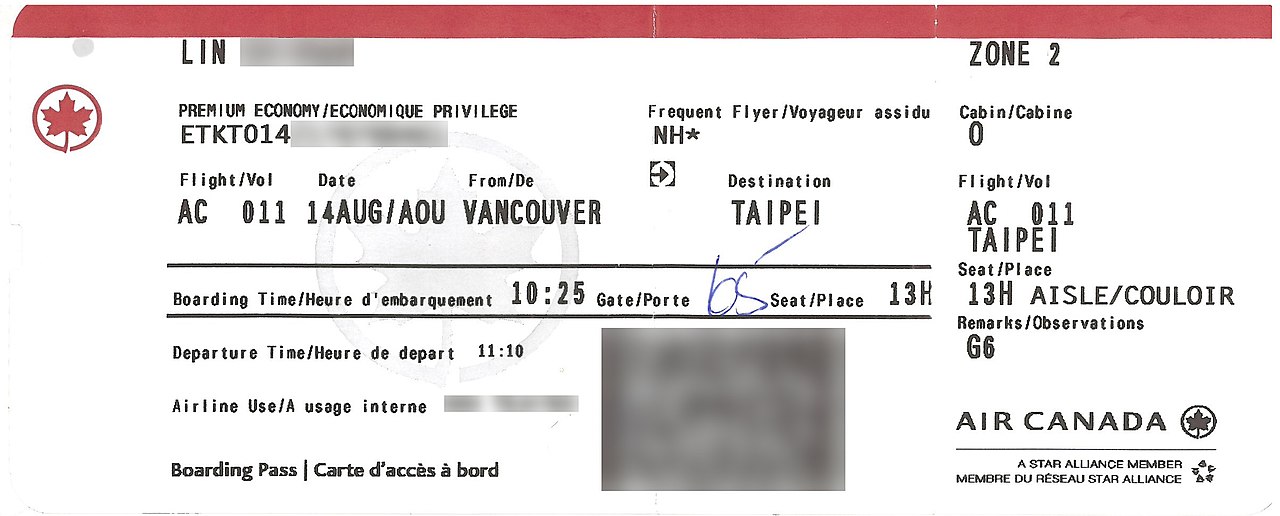
- Flight Details: Keep your boarding pass and e-ticket confirmation. Note the flight number, scheduled departure/arrival times, and actual departure/arrival times.
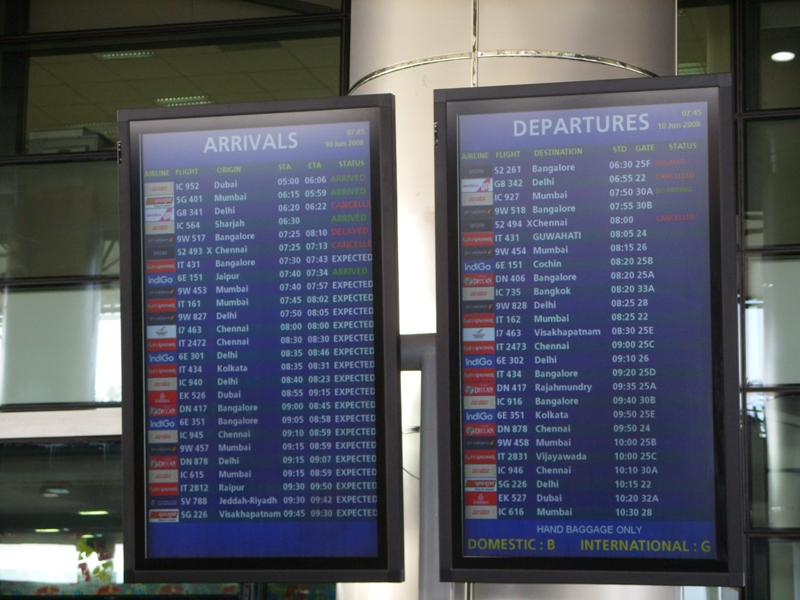
- Proof of Delay: As mentioned, use flight tracking apps. Screenshot them. Take photos of airport information screens showing the delay or cancellation. Note down gate numbers and any public announcements.
- Reason for Delay: Ask airline staff for the specific reason. If they blame “extraordinary circumstances,” ask for proof or details. This is their most common defense, but often it’s just a blanket statement.
- Receipts: If you had to pay for meals, drinks, or accommodation because the airline failed to provide them, keep every single receipt.
- Communication Log: Document any communication with the airline — dates, times, names of staff, and what was discussed.
Once you have your evidence, you’ll need to submit a formal claim. Most airlines have a dedicated online form on their website under “Customer Relations” or “Contact Us.” Be precise and polite but firm. Reference EU261. Attach all your evidence. Don’t let the retroactivity make you complacent about deadlines for submission. While you *can* claim for up to six years, filing your claim as soon as possible after the incident means the details are fresh in your mind and your evidence is readily available. A timely submission also demonstrates your seriousness and reduces the chance of documentation getting lost or forgotten.
Airline Tactics: Lufthansa, Ryanair, and the Claims Game
Even with solid evidence, getting your compensation isn’t always a straightforward process. Airlines, understandably, prefer not to pay out €600 if they can avoid it. You’ll encounter varying approaches, from relatively smooth processing to outright stonewalling. Consider the different strategies you might face from major carriers:
- Ryanair: Known for its budget-friendly fares, Ryanair can also be infamous for its initial resistance to compensation claims. They’re often quick to cite “extraordinary circumstances” or minor technical issues as reasons to deny. You might need to be persistent, sending follow-up emails and clearly stating your intention to escalate the matter. However, once you provide undeniable proof, they generally comply. Their claims portal is functional, but don’t expect a warm welcome.
- Lufthansa: As a full-service carrier, Lufthansa often has a more structured claims process. While they’re generally more responsive than some budget airlines, they’re no less keen to avoid payouts. They might investigate more thoroughly and still attempt to use “extraordinary circumstances” as a defense, particularly for issues like air traffic control strikes or severe weather. Their customer service might be easier to reach, but their initial response to a claim can still be a denial if they believe they have a case.
- Air France: Similar to Lufthansa, Air France has a well-defined claims procedure. They tend to respond within the stipulated timeframes (usually 6-8 weeks) but will scrutinize claims closely. They are generally responsive to evidence but can be firm in their interpretation of what constitutes an “extraordinary circumstance.”
The common thread? “Extraordinary circumstances.” This is the airline’s Get Out of Jail Free card. Severe weather events (like actual blizzards, not just a bit of rain), air traffic control strikes, political instability, or security risks are legitimate extraordinary circumstances that exempt airlines from paying compensation. However, a “technical fault” is *not* an extraordinary circumstance, even if it was unexpected. Airlines are expected to maintain their fleet. If an airline claims extraordinary circumstances, don’t just accept it. Ask for specific details and evidence. If you believe their denial is unfounded, you have options: escalate internally, contact national enforcement bodies, or use a flight compensation company that works on a no-win, no-fee basis. These companies, while taking a cut, can save you significant time and effort battling the airline bureaucracy. But that’s usually only necessary if the airline refuses to pay after your initial, well-documented attempts.
Airlines frequently use “extraordinary circumstances” as a blanket excuse. Always challenge this. A routine technical fault or an operational issue (like staff sickness) is *not* extraordinary. Demand specific details and consider if their explanation truly falls outside their control and could not have been avoided.
Bottom Line
Don’t leave hundreds of euros on the table just because an airline made your travel day miserable. You’ve got rights, and EU261 is a powerful tool designed to protect you. The trick is knowing the rules, meticulously documenting everything, and being persistent. Start saving those boarding passes, track your flights, and never accept a vague explanation for a delay. You’ve earned that compensation; now go claim it.